


NEW DELHI: India’s defence and aerospace company SMPP on Thursday entered into an agreement with European defence company KNDS at the Eurosatory exhibition to manufacture state-of-the-art loitering munitions in India. The partnership aligns with the govt’s Atmanirbhar Bharat vision by combining technology transfer with indigenous manufacturing. These loitering munitions include VELOCE and RODEUR systems, along with the ISTAR family of drones, enabling a highly effective “search-and-destroy” capability. These systems have the capability to neutralise high-value threats with exceptional precision and leverage a hybrid guidance system that combines a multi-constellation Global Navigation Satellite System (GNSS) receiver with an inertial navigation system
Know More
Coverage featured in The Print Under the agreement, the loitering munitions will be offered to the Indian Army as part of efforts to address what the companies described as an ‘urgent requirement’. New Delhi: Defence manufacturer SMPP signed an agreement with European defence company KNDS Thursday to manufacture advanced loitering munitions in India under a Transfer of Technology deal. The agreement was signed at the Eurosatory defence exhibition in Paris. A statement issued by SMPP said the partnership combines technology transfer with domestic manufacturing and is aimed at meeting operational requirements of the Indian Army. The agreement builds on an earlier
Know More
Coverage featured in The Economic Times Indian defence manufacturer SMPP has signed a teaming agreement with European defence major KNDS to manufacture advanced loitering munitions in India, as the country looks to strengthen indigenous defence production and meet the armed forces’ growing requirement for precision strike systems. The agreement, signed at the Eurosatory defence exhibition in Paris on Wednesday, will see SMPP, through its subsidiary SMPP Ammunition, manufacture the systems in India under the government’s Make in India and Atmanirbhar Bharat initiatives. The partnership will initially focus on offering the loitering munitions to the Indian Army, which has an urgent requirement for such systems amid the military’s push to induct
Know MoreImage Caption: Signing of the Teaming Agreement between SMPP and KNDS on June 18th, 2026 at the Eurosatory Exhibition in Paris Teaming agreement combines technology transfer and indigenous manufacturing to support India’s Atmanirbhar Bharat vision and meet emerging operational requirements of the Armed Forces New Delhi/Eurosatory, Paris, France, June 18, 2026: SMPP, one of India’s leading defence and aerospace companies, has entered into a teaming agreement with KNDS, through its subsidiary SMPP Ammunition, to manufacture state-of-the-art Loitering Munitions (LMs) in India. The partnership aligns with the Government of India’s Atmanirbhar Bharat vision by combining technology transfer with indigenous manufacturing. Validated
Know More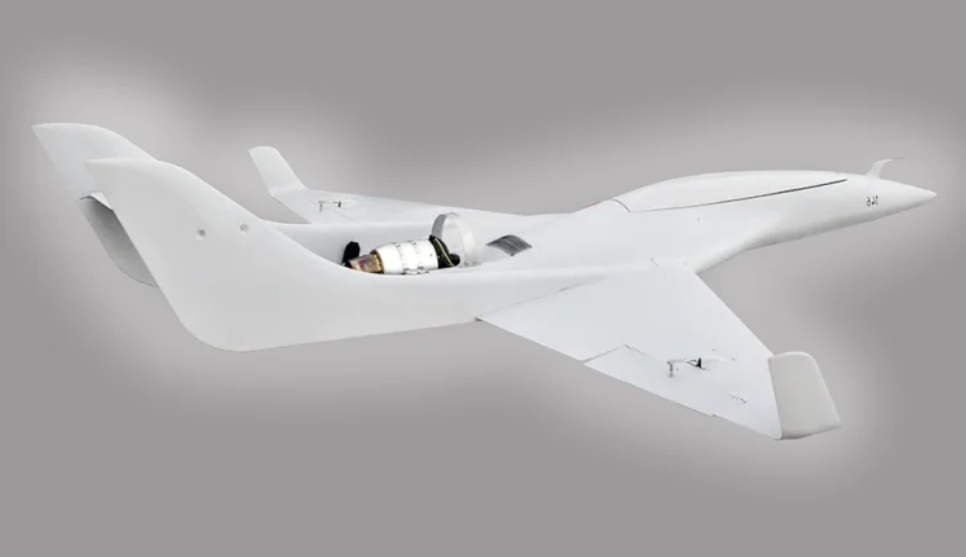
Coverage featured in “Times of India” NEW DELHI: An Indian manufacturer of advanced defense equipment, SMPP, has successfully completed the delivery of 100 jet-based Peacekeeper (Agniveg) operational drones and six training drones to the Indian Army, marking a milestone in India’s unmanned warfare capabilities and reinforcing the nation’s commitment to self-reliance in critical defence technologies. The delivery follows successful user trials in which the Peacekeeper (Agniveg) demonstrated a circular error probable (CEP) of less than 5 metres showcasing an operational range of about 180 km, while operating in a heavily-jammed and spoofed environment. The performance highlights the system’s precision, reliability
Know More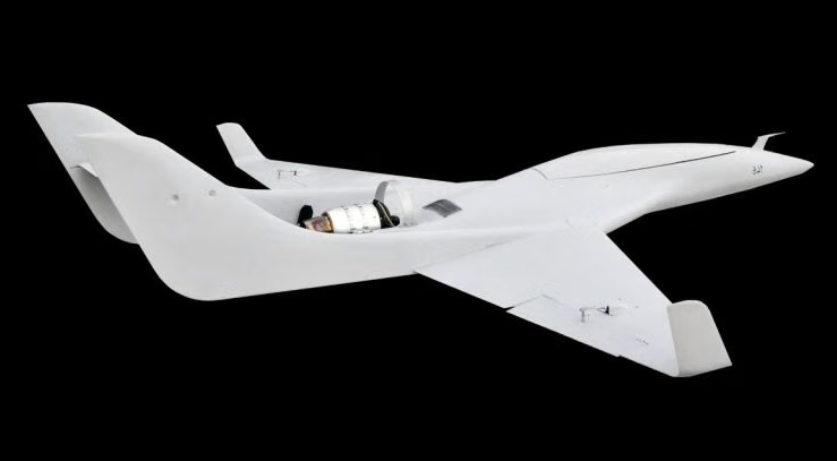
Coverage featured in “The Print“ New Delhi: In a major boost to the country’s strike capability, the Indian Army has received 100 jet-powered kamikaze drones, capable of operating in GPS-denied battlespace, through a partnership between a Belarusian firm and an Indian one. Delhi-based defence firm SMPP has delivered the Peacekeeper drones, also known as Agniveg, under emergency procurement by the Indian Army as part of a modernisation effort post Operation Sindoor. The induction of these drones will play an important role in bridging the gap between short-range artillery strike and long-range missile strike capabilities of the Indian Army to take out
Know More
SMPP leads with innovation and
top-notch armoury manufacturing.
CIN:U32909PB1985PLC006500